Dinner ideas for sports nights: early, later or on the go
By Babs Team · · 9 min read
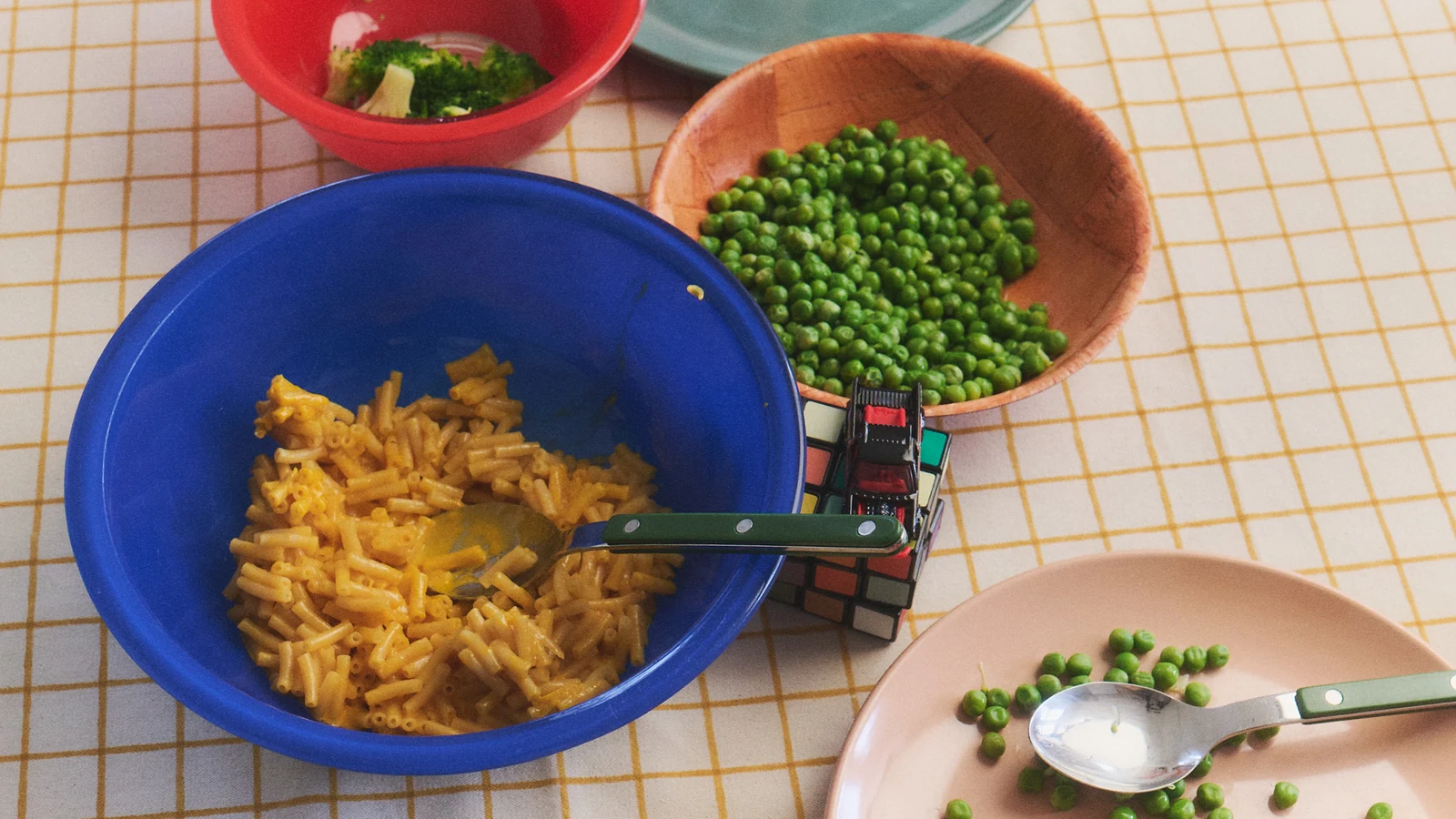
A practice that lands over dinner can send the whole household's evening in different directions. One child needs a ride, another is staying home, and the pasta has yet to express a preference. Useful dinner ideas for sports nights on the go need to account for who is eating where, as well as what is in the fridge. A few familiar meals can fit those gaps without cooking twice.
Choose the dinner window before the food
Start with the time everyone leaves home and the time each person returns. Include the drive and any early arrival the team requires. A practice ending at 7 does not make 7 the dinner time.
Choose a meal that fits the gap you really have:
| Your evening | Dinner that fits |
|---|---|
| There is time to sit down before leaving | An early meal, with food available after practice if wanted |
| Everyone will eat at home, but cooking after pickup is unappealing | A prepared meal that only needs reheating or assembly |
| A sibling or caregiver will eat at the field | A cold packed dinner, or a hot meal with proper hot holding |
| People return at different times | One meal divided into early servings and refrigerated portions for later |
The whole household does not have to use the same row. A younger sibling can eat at home while the player takes a packed meal for after practice. That is still one dinner decision.
An emailed practice change can alter the choice. Babs surfaces possible events and schedule changes from connected Gmail for parent review, and the Lineup keeps the week ahead visible. When practice moves, the family can reconsider dinner alongside the rides. For the wider season setup, our pre-season playbook covers arrival times, travel and both directions of the handoff.
Early dinner: finish the cooking before departure
An early meal fits an evening with a usable stretch at home before everyone leaves. Keep the food familiar and choose something you can serve without several pans needing attention at once.
These recipes give you a starting point beyond “something with chicken”:
- Caroline Chambers's crispy baked chicken taquitos. Cooked chicken, cheese and salsa go into tortillas and bake together on a sheet pan. Rotisserie chicken saves a separate cooking step. Allow time for mixing and rolling as well as the 12-to-15-minute bake; the recipe makes eight taquitos. Serve toppings alongside so everyone can add their own.
- Smitten Kitchen's quick pasta and chickpeas. The recipe lists 20 minutes and uses canned chickpeas, tomato paste and small pasta. It is written for two to three small servings, so plan a larger batch for a full-family dinner. The pasta and chickpeas cook together in one pot; the garlic-rosemary finishing oil uses a separate small pan.
Think about the return home as part of this choice. Someone who eats early may want food again after practice. Set aside a separate portion rather than assuming the first meal settles the whole evening. The child's usual appetite can guide what you offer; everyone does not need an identical plate.
For a child staying with a partner, grandparent or sitter, give that adult the dinner decision before you leave. “Taquitos for you two at home; the separate container is for after pickup” is more useful than “There's food in the fridge.” It also prevents the person at home from unknowingly serving the meal intended for the late arrival.
Later dinner: have the preparation done before you go
A later meal works when people can eat after practice and the remaining job is small. Cooking rice, finding a protein and cutting vegetables after pickup is still making dinner, even when it was called a bowl in the morning.
Choose the part you want finished before departure:
| Dinner | Preparation that makes the return easier |
|---|---|
| Smitten Kitchen's everyday meatballs | Finish the mixing, shaping and simmering before practice. The meatballs cook directly in tomato sauce, without a separate frying step. Serve with bread after reheating so there is no pasta left to cook |
| The Defined Dish's beef chili with beans | Make it earlier in the day: the recipe includes at least 30 minutes of simmering, then another 15 after adding the beans. Keep corn chips and cheese separate for serving |
| Baked potatoes with beans and cheese | Prepare the cooked potatoes and beans ahead; keep the toppings ready for assembly after reheating |
For cooked food saved for later, FoodSafety.gov recommends prompt refrigeration in shallow containers so it cools quickly. Put the late portions in the fridge before leaving, rather than leaving a covered pan on the stove through practice. The same guidance limits unrefrigerated perishable food to two hours, or one hour when exposed to temperatures above 90°F.
When the family gets home, reheat leftovers to 165°F, measured with a food thermometer. That applies to meatless leftovers too, according to the safe internal temperature chart.
Leave the next adult a specific starting point: which container is dinner, who has already eaten and which parts need reheating. A message such as “Chili for the two late eaters is in the shallow containers on the top shelf; cornbread is beside the bread bin” lets someone take over without needing the cook on the phone.
A slow cooker can suit a staggered evening, but the setting's name is not the safety standard. FoodSafety.gov says cooked food kept hot for later serving needs a heat source that holds it at 140°F or above. When dinner will be refrigerated and reheated, follow that plan instead of leaving it lukewarm until pickup is over.
Cold portable dinners for the field or a stop between practices
A packed dinner is useful when the trip itself contains the eating window. Choose food people can eat at the place available, whether that is a picnic table, the sideline or a parked stop between activities. A wrap needs less room than a bowl with several toppings to add.
Two make-ahead recipes and one assembly-only option fit a cooler:
- What's Gaby Cooking's Greek pasta salad. Short pasta, cucumber, peppers, tomatoes, olives and feta get a Greek vinaigrette. The recipe lists 20 minutes total. Add cooked chicken when you want meat in the meal, then pack individual portions with forks. A bowl suits a picnic table or a parked stop better than eating while walking to the field.
- Caroline Chambers's curried chicken salad. A rotisserie chicken makes this a no-stove option, with a listed prep time of 10 minutes. The curry, grapes and raisins suit a family that likes a sweet-savory filling. Spoon it into pitas or pack it beside crackers, keeping the crackers separate until dinner.
- Turkey-and-cheese wraps, apples and carrot sticks. Roll each person's wrap separately so one diner can eat without opening everyone's dinner. This is the no-recipe choice when the useful work is packing dinner rather than cooking it.
Perishable portable dinners need cold holding. The FDA's outdoor food guidance calls for a cooler with ice or frozen gel packs, keeping cold food at 40°F or below until serving.
For an insulated lunch bag, USDA recommends at least two cold sources, placed above and below the perishable food. Its examples include two frozen gel packs, each at least 5 by 3 inches, or a frozen gel pack paired with a frozen water bottle or juice box. The bag alone does not provide the cooling.
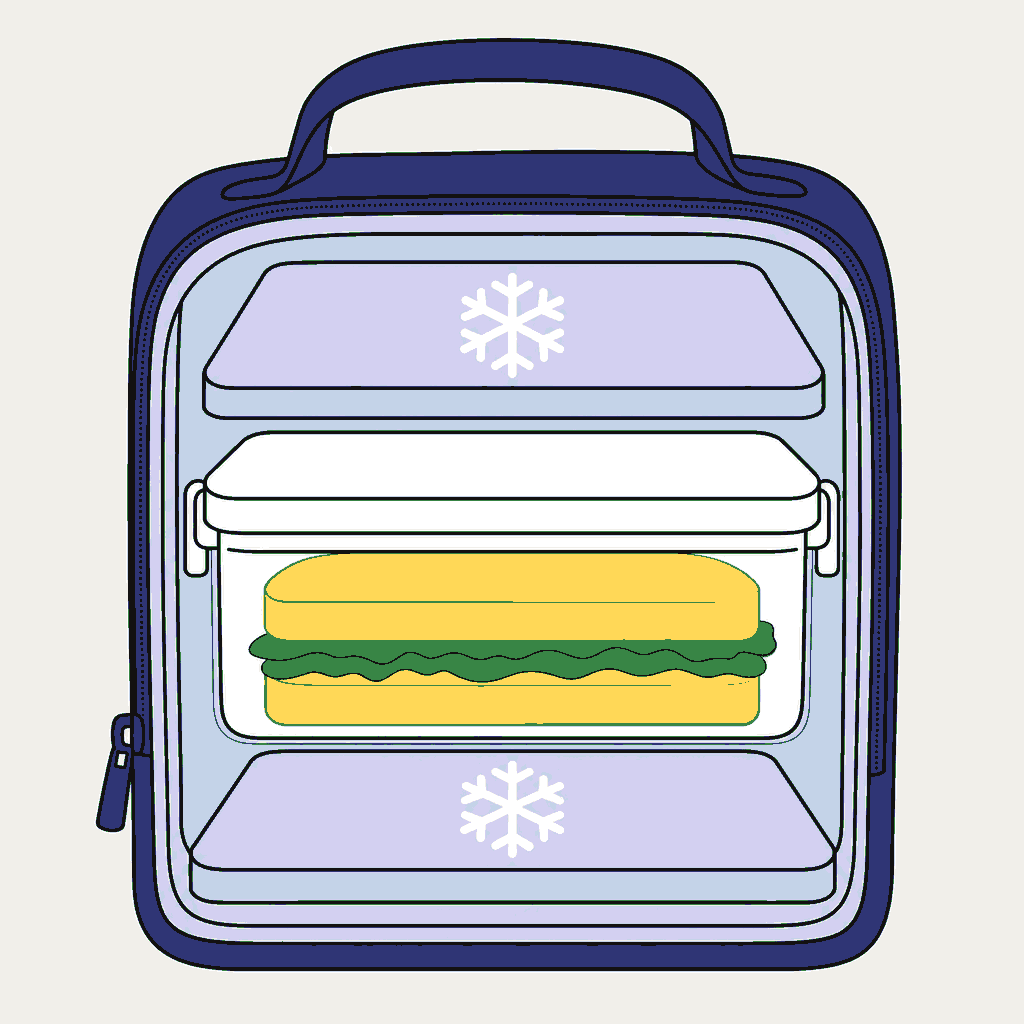
Pack the meals according to who will have them. When a carpool driver is doing pickup, the child's dinner needs to go with the child or the agreed pickup adult, rather than remaining in the other parent's car. Keep the late eater's food closed and cold while someone else eats.
Hot portable dinners need hot holding
A food jar gives you different dinner options when a cold wrap is not what the family wants. The beef chili above works here too, with crackers packed separately. Smitten Kitchen's pasta and chickpeas is another spoonable option. Both need hot holding in an insulated food container, using the method below.
FoodSafety.gov's hot-container packing method is to fill the container with boiling water, leave it for a few minutes, empty it and add piping-hot food. Keep it closed until the meal. Food must remain at 140°F or above; an insulated container does not guarantee that temperature for an entire evening. Reheated leftovers need to reach 165°F before packing, using the temperature guidance above.
Give each diner a separate container when they will eat at different times. Opening one large jar for the early eater defeats the plan to keep the late meal closed until serving.
For either hot or cold meals, the FDA says to discard perishable food left out beyond two hours, or one hour above 90°F. Those are limits, not a packing plan for food sitting uncooled in a car. When you cannot keep dinner at the required hot or cold temperature, choose a meal at home instead.
Share the dinner handoff with the ride
The adult handling food does not always need to be the adult driving. Divide the next steps around where people will actually be. Put the handoff in the household message thread you already use.
For example, the person home before practice can make the meatballs and reserve the later portions. A partner staying home can serve a sibling, while the pickup adult brings the player home to the refrigerated meal. When everyone is out, the useful preparation might be cold wraps in the fridge, ready for the departing adult to put into the cooler with the cold sources.
Tell the pickup adult whether a child has had dinner or only a snack. That distinction matters more than a general assurance that everyone has eaten something. A change of driver also needs a food handoff when dinner is riding in someone else's car.
Children who already pack their activity bags can add their cutlery and napkin. That contribution is useful; it does not make them responsible for keeping dinner at a safe temperature.
Keep one fallback suited to the evening. Frozen food you can cook at home fits a late return; a sandwich filling and bread fit an earlier meal. Takeout can also be the dinner decision. It does not require an apology or an ambitious replacement meal tomorrow.
Babs helps with the schedule that shapes these choices: finding the coach's emailed change, surfacing it for review and letting a parent add the event to Google Calendar in one tap. The household still chooses dinner. Babs is in private beta on iOS; join the Babs waitlist for help keeping the next practice change visible.
Related articles
Family life · Babs
The best family photo sharing app for your family’s rules
Compare FamilyAlbum, Google Photos, Apple Photos and Amazon Photos by who can view, add or remove pictures, device needs, storage, prices and data practices.
Family life · Babs
An Ollie alternative for your family's school-and-activity week
Ollie closes November 6, 2026. Keep Google Calendar events in place, handle Ollie-only reminders separately, and learn Babs's setup and sharing limits.