A family chores list you can adapt to your household
By Babs Team · · 9 min read
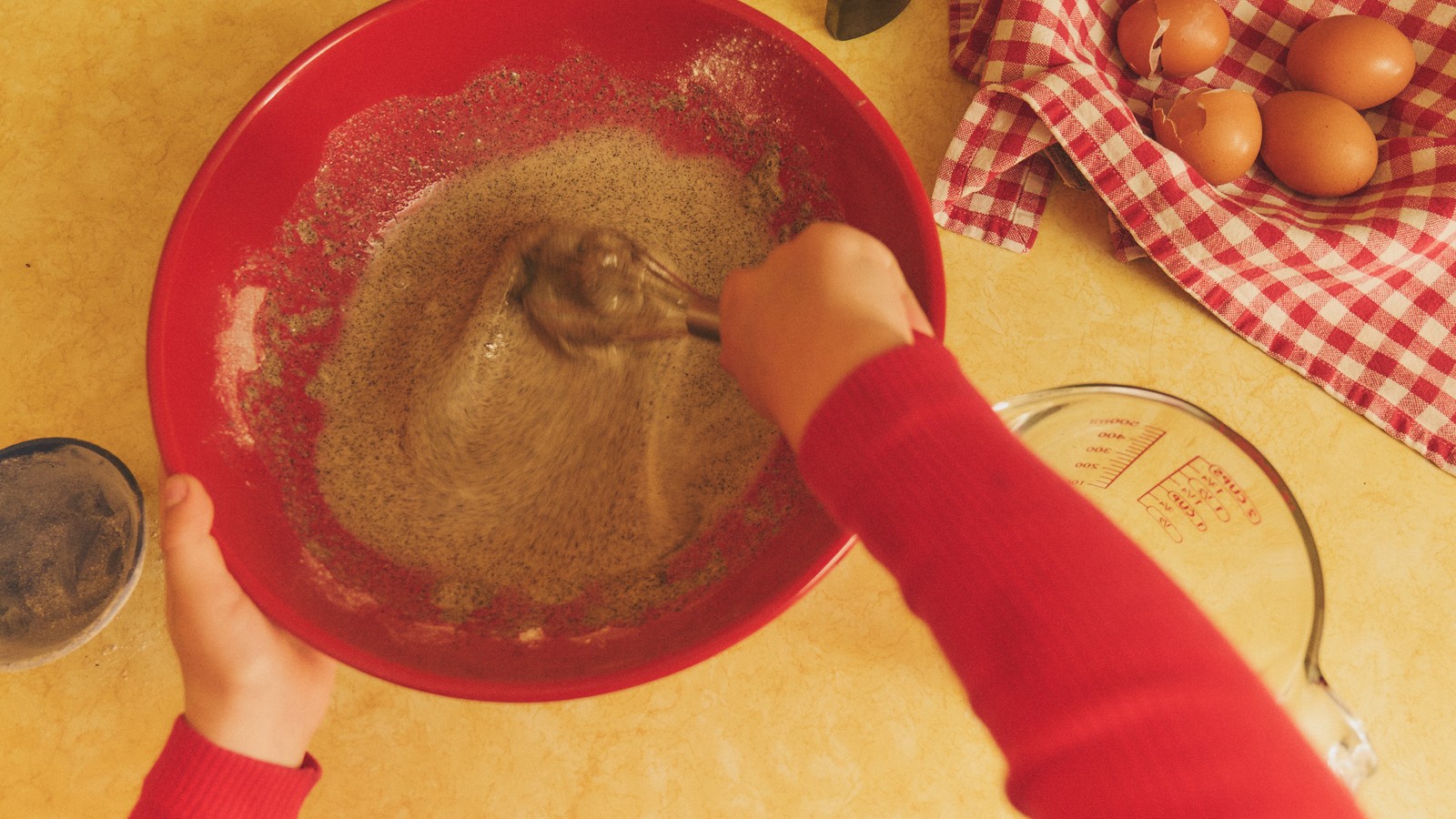
Kitchen cleanup includes several jobs a family can share. There are dishes, counters, a floor, and a lunchbox quietly conducting an experiment. With children at different stages, breaking household work into usable pieces gives everyone a clearer part. Start with what you all actually need to get done in your house and then assign them out based on who can (actually) handle the job and how much time they have.
Daily and as-needed chores
Use these as a menu for the whole family, rather than a daily assignment for every person. Adults and children can take on different parts of the same job. Some chores happen after each meal; others belong on the list only when there is something to do. Copy the relevant items into the paper list, shared note or chore app your household already uses.
Meals and kitchen cleanup
- Set out plates, cups, utensils and napkins for a meal.
- Help prepare food, such as washing produce, measuring ingredients or mixing.
- Prepare or cook a meal.
- Clear the table and return condiments to their storage spots.
- Put leftovers away.
- Load the dishwasher or wash dishes by hand.
- Dry and put away clean dishes.
- Wash pans, serving bowls and other items left out of the dishwasher.
- Wipe the table and counters used for eating or preparation.
- Sweep crumbs from the kitchen and eating area.
- Empty lunchboxes and bring reusable containers to the kitchen.
- Wash and refill water bottles.
Meal preparation can mean an adult cooking while a child washes produce or measures ingredients beside them. An older child learning to cook can prepare a simple dish with supervision.
Dishwashing can be several people's work too. One child might put away lightweight plastic containers while an adult handles knives, breakables and high shelves. Another family may prefer one person to finish the whole job. Either arrangement can fit.
Clothes and personal spaces
- Put worn clothes in the hamper and return clean clothes to storage.
- Gather a load of laundry when it is needed.
- Wash a load, then move it to the dryer or hang it to dry.
- Fold or hang dry laundry and put it away.
- Straighten bedding, if making beds is part of your household's routine.
- Put away toys, books, games and craft supplies after use.
- Return shoes, coats and bags to their places.
- Hang bath towels and clear water splashes from the floor.
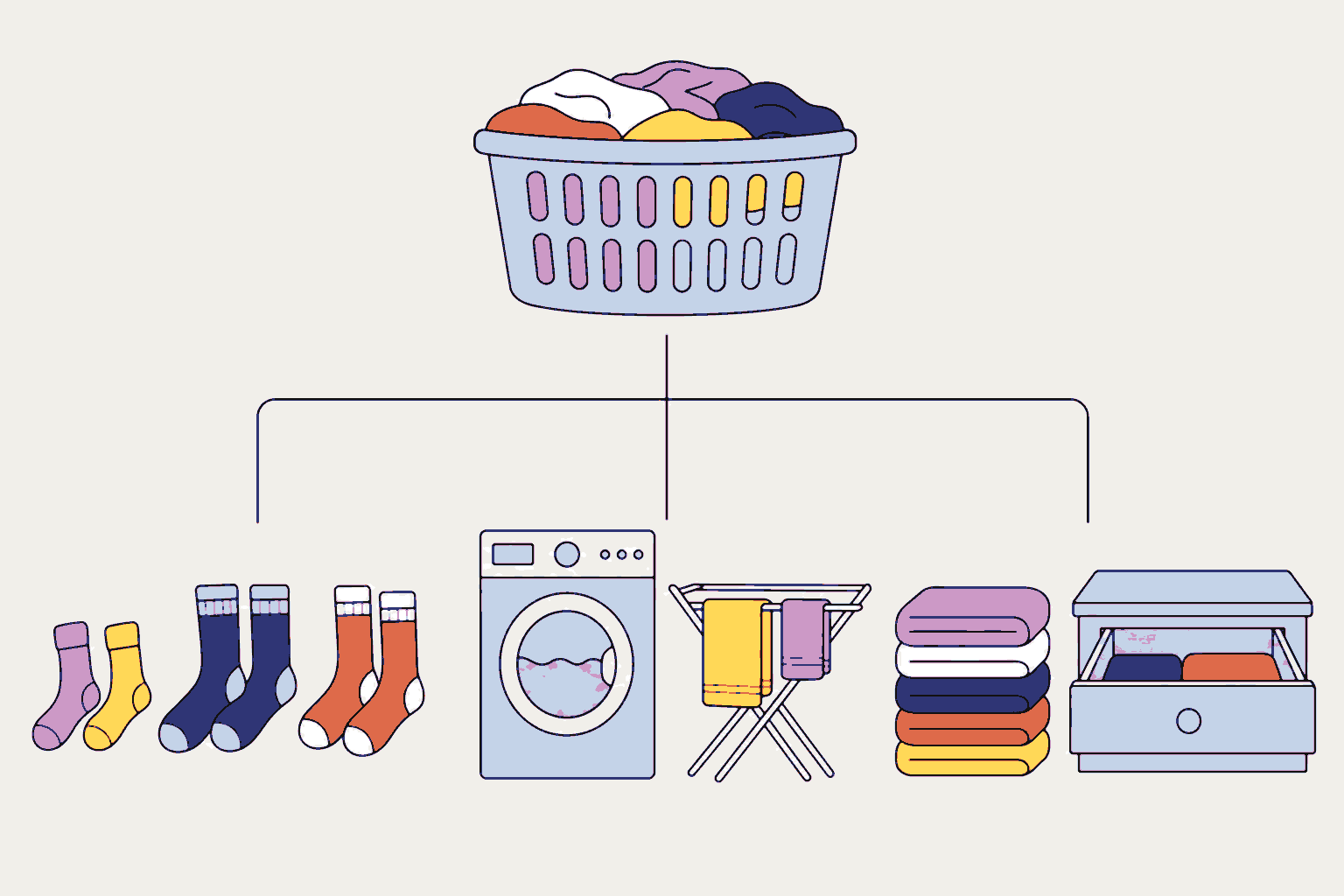
“Laundry” can mean collecting clothes or taking a whole load through to the drawers. Use the wording that matches the actual assignment so nobody mistakes a running washing machine for a finished job.
Shared rooms, bins and pets
- Return items left in shared rooms to the people or places they belong to.
- Clear the floor where people need to walk.
- Put away blankets and cushions after use.
- Empty full household trash and recycling bins; replace liners where used.
- Take empty cardboard packaging to the recycling bin.
- Feed pets the agreed amount at the agreed time.
- Refresh pet drinking water.
- Walk or exercise a pet.
- Water houseplants when they need it.
For pet care, name the particular feeding or walk. “Feed the dog breakfast” is clearer than “help with pets,” especially when several people could otherwise feed the same very persuasive dog. A child who cannot safely handle the dog on a walk can help with its food or water instead.
Weekly and other regular chores
These are candidates for a regular slot, not a universal cleaning timetable. Laundry may happen daily in one home and on weekends in another. Put each job where it fits your household's use, available help and equipment.
Bathrooms
- Clean sinks, faucets and bathroom counters.
- Clean mirrors.
- Clean toilets.
- Clean the bathtub or shower.
- Sweep or vacuum, then mop suitable bathroom floors.
- Replace and wash used towels and bath mats.
- Refill toilet paper and hand soap from household supplies.
An adult can clean the toilet and shower while a younger child brings clean towels or refills the toilet paper holder. An older child can learn to clean a sink alongside you. Assign the specific part, such as “replace the bath towels,” rather than giving every child “clean the bathroom.”
Bedrooms and shared living spaces
- Strip beds and collect used sheets and pillowcases.
- Wash bedding according to its care instructions.
- Put clean sheets and pillowcases on beds.
- Dust reachable shelves, tables and other surfaces.
- Vacuum rugs, carpets and upholstery as appropriate.
- Sweep and mop suitable hard floors.
- Wipe frequently touched handles and switches with a suitable product.
- Sort accumulated toys, books and craft materials back into storage.
- Empty small wastebaskets into the main trash.
Tidying and cleaning are separate parts of a room's work. A child can put toys in their bins before someone else vacuums. That contribution still counts when the child is not ready to operate the vacuum.
Food, supplies and the entryway
- Buy or collect groceries and household supplies.
- Unpack groceries and put them in their storage places.
- Review the refrigerator for food that needs using or discarding.
- Wipe refrigerator spills and shelves as needed.
- Clean the microwave and the cooled stovetop with suitable products.
- Wash reusable lunch bags, grocery bags and kitchen cloths as their care instructions allow.
- Clean the kitchen sink and dish rack.
- Sweep the entrance and clean the doormat.
A child can put lightweight pantry items on a reachable shelf while an adult handles heavy bags and breakables. Sorting the reusable bags or returning empty lunch bags to their place gives a younger child a smaller part.
Meal planning and ordering supplies are separate work alongside these chores. Count that time when adults divide food responsibilities. Putting away groceries covers a different part from choosing meals and buying the ingredients.
Use the cleaning frequency your home needs. The Centers for Disease Control and Prevention (CDC) recommends cleaning high-touch surfaces regularly and other surfaces when visibly dirty or as needed. Its household cleaning guidance also distinguishes routine cleaning from disinfecting; disinfectant does not need to be a default item in every room.
Chores that come up less often
Outgrown clothes, crowded toy bins and muddy outdoor toys do not need a daily slot. Keep these jobs on an as-needed list so they do not crowd out the work that has to happen today.
- Sort outgrown clothes and shoes for storage, donation or recycling.
- Sort toys, books and games that are no longer used.
- Pack away seasonal clothing and bring out what is needed next.
- Wipe storage bins, reachable shelves, doors and cabinet fronts as needed.
- Wash larger bedding as care labels allow.
- Clean and put away outdoor toys.
- Sweep a porch, patio or balcony.
- Clear trash and belongings from the car.
During a clothing sort, a child might try on tops or match pairs of shoes while an adult handles storage and donation. Clearing the car can mean one child carries books back inside while another gathers their coats and bags.
Match the size of a chore to the person
Age-based lists can offer ideas, but a birthday is not proof that a child can use a cleaner, manage a heavy basket or walk a particular dog. The American Academy of Pediatrics' chores guidance for children recommends realistic expectations, supervision and support, and introducing one new task at a time. It also notes that children differ in how they approach tasks.
Choose a part your child can practice with the help available. These are possible ways to divide familiar jobs, rather than milestones every child must meet:
| Household job | A smaller contribution |
|---|---|
| Put away the groceries | Place a few lightweight, nonbreakable pantry items on a reachable shelf. |
| Do the laundry | Match clean socks or fold a small pile of washcloths while another person handles the machines. |
| Set the table | Count and place napkins or carry unbreakable cups. |
| Clean the living room | Return one category of toys to its bin before another person cleans the floor. |
| Change a bed | Remove pillowcases or help pull on one corner of a clean sheet. |
| Prepare dinner | Measure and mix ingredients alongside the adult handling heat and sharp tools. |
Make the physical setup fit too. A toy bin within reach allows a different level of participation from a cupboard a child cannot open. Someone who finds carrying difficult may be able to fold laundry seated at a table. A person who needs help getting started may do better with “put the blocks in this bin” than “tidy your room.”
For cleaning jobs, adults should follow product labels and keep cleaning chemicals out of children's reach. The CDC's safe disinfectant instructions also warn against mixing products. Children can have useful household responsibilities without using those products at all.
Fit the chores around the week you have
A useful division considers effort and timing as well as how many items each person has. Washing dinner pans every night and watering a plant occasionally are both one line on a list.
Put time-sensitive jobs with someone who will be there to do them. A teenager home late from rehearsal might fold laundry later rather than clear the dinner table. An adult on an evening shift can handle a grocery order earlier in the day. In a two-home arrangement, assign work around the days a child is present, without saving a backlog for their return.
Keep personal cleanup and shared household work visible as different contributions. Putting away one's own shoes is useful; clearing the family's table helps other people too. A child's assignments can include a manageable share of both. Adults remain responsible for supervision and for making sure the division of work fits the household.
For a job several people share, include the stopping point in the wording. “Clear dinner dishes to the kitchen” leaves washing to someone else. “Wash the dinner dishes and leave the sink clear” includes more work. Neither needs a new chart or a long set of rules.
Put the chosen wording in the place your family already looks. Our family to-do app comparison separates shared-list features for households that need digital assignments. A paper list can use the same concrete job descriptions. For schedules, household records and the work around appointments, a household planner serves a broader purpose than the chores list.
Start with the jobs that need sharing this week and give each person a part they can actually finish. There will be another chance to practice after dinner. The dishes are reliable that way.
Related articles
Family life · Babs
The best family photo sharing app for your family’s rules
Compare FamilyAlbum, Google Photos, Apple Photos and Amazon Photos by who can view, add or remove pictures, device needs, storage, prices and data practices.

Family life · Babs
An Ollie alternative for your family's school-and-activity week
Ollie closes November 6, 2026. Keep Google Calendar events in place, handle Ollie-only reminders separately, and learn Babs's setup and sharing limits.